hacking + interaction &&&&MAGIC
In dit skills blok onderzoek je hoe je
︎︎︎ Terug naar de hoofdpagina
opdracht
Maak een interactieve installatie en experimenteer met nieuwe media.
Ingrediënten van je interactieve installatie kunnen zijn:
- Een scherm gekoppeld aan een sensor
- Een knop gekoppeld aan een micro-controller (Arduino + Makey Makey)
- Een code met een eigen data-set (gemaakt met Processing)
- Een non-lineaire video in een sculptuur met interactief geluid
Planning
Beoordeling
ASSIGNMENT
Create an interactive installation and experiment with new media.
Ingredients of your interactive installation could include:
We all experience technologies in our daily lives. Every form of communication is a form of technology. Hacking is about using our creativity to explore, take ownership of, and intentionally apply these technologies.
In this block, we will hack existing interactions and systems around us—not only to understand how they work, but also to explore what they can mean for your project. By making a lot, we reclaim interactions, placing power dynamics and the unexpected, magical workings of technology at the center.
Planning
The block begins with a series of hands-on workshops where you will experiment with meaningful data flows from buttons and sensors using Arduino, Makey Makey, Processing, and AI-enhanced coding.
Ultimately, you will create an interactive piece in which you use these skills to tell and amplify your own story.
During this workshop, you’ll connect a button to an Arduino.
You’ll also learn how to use the Makey Makey (another type of microcontroller) as a keyboard interface in creative projects.
Bring your own techno-trash—any discarded electronics you'd like to hack!
We’ll start the day with fast-paced prototyping sessions where, in small groups, you’ll brainstorm the potential interactive behaviors of different technologies.
Part of the workshop is open lab time to freely experiment with your microcontroller, sensors, and Processing. You can also suggest topics or requests for upcoming workshops.
This workshop explores sketching with Processing using AI assistance.
Large language models can help you quickly test ideas, connect sensors, and build complex circuits.
You’ll explore how to use AI both as an assistant and a co-creator—and consider ethical alternatives to big tech dominance.
How can your installation include a graphic layer, physical form, or experimental interface that deepens its immersive quality and impact?
Our previously made interactive microcontroller circuits are the starting point.
Through small exercises, you'll sketch how content, interaction, and form can come together.
We’ll also cover techniques such as:
These help you design custom enclosures and give physical shape to your project.
Assessment Criteria
To receive a good assessment, you need to address the following points:
1) Process
These lessons are about experimentation. It's not just about the perfect final piece, but about the different steps you take along the way. Document these so you can show them during the assessment: through screenshots, videos, and prototypes.
![]() 2) Final Work
2) Final Work
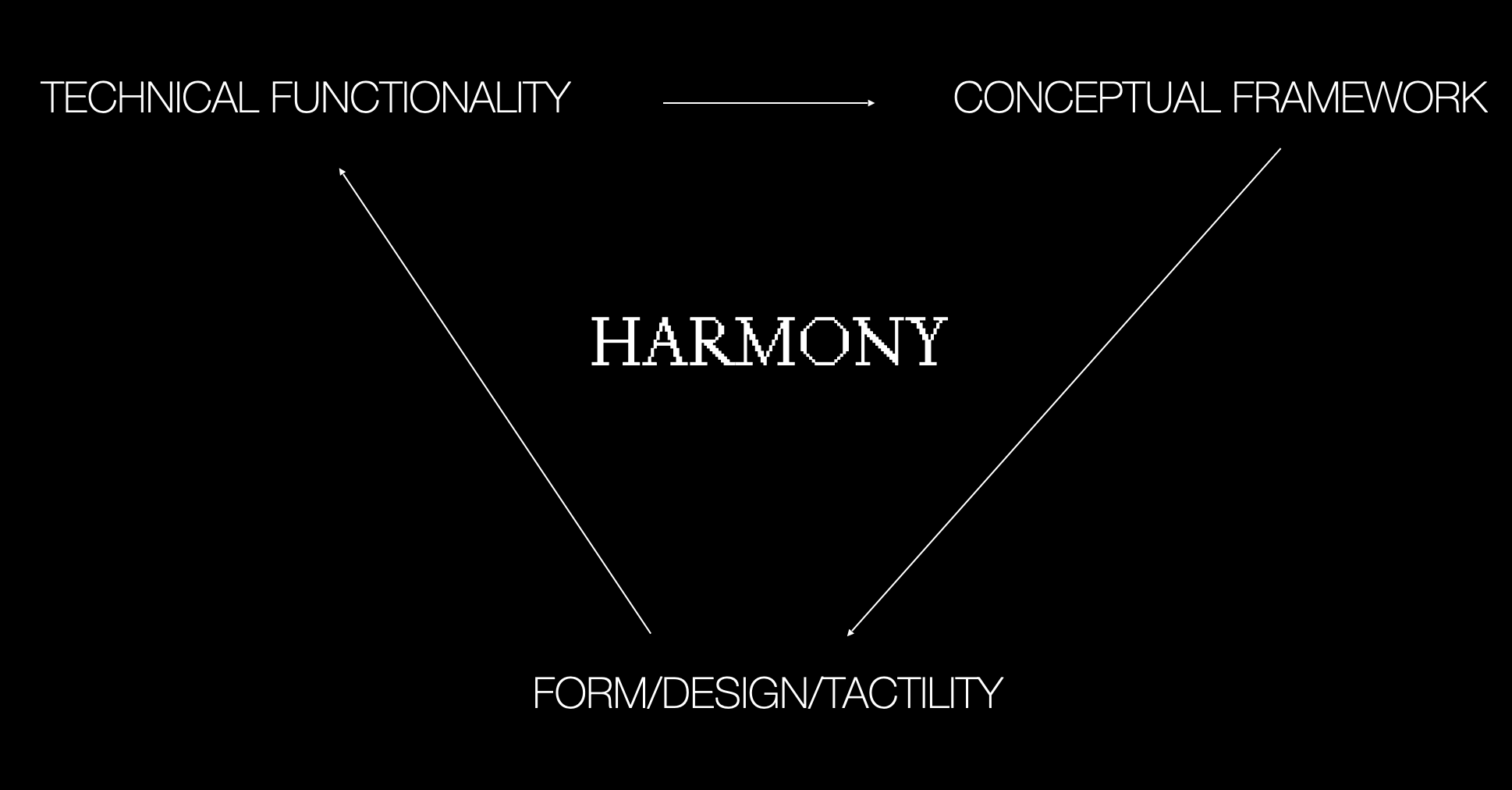
At the end of the block, there must be a prototype of an interactive artwork. We assess the technique, concept, and form. This doesn’t mean they all have to carry equal weight in the story you want to tell. It could be that you put a lot of time and energy into one of the three, making the others more supportive.
3) Attendance and Attitude
We expect presence and an active attitude during the lessons. The lessons are structured like a lab, meaning you have a lot of freedom. If you get stuck, come find us!
Collaboration
If it fits with your idea, you are welcome to collaborate on your final project. For your assessment, it's important that you can clearly define your role and contributions within the collaboration. Your process, however, will always be individual.
In dit skills blok onderzoek je hoe je
interactieve en generatieve tools in kan zetten
in de fysieke wereld om je verhaal te vertellen.
︎︎︎ Terug naar de hoofdpagina
opdracht
Maak een interactieve installatie en experimenteer met nieuwe media.
Voor dit skills blok experimenteer je met de betekenis van interactie in je praktijk. De vorm die dit krijgt, de technologie die je wilt gebruiken en het verhaal dat je wilt vertellen mag je zelf kiezen. Wij zullen workshops geven als introductie in een aantal van de media die wij vaak gebruiken.
Ingrediënten van je interactieve installatie kunnen zijn:
- Een scherm gekoppeld aan een sensor
- Een knop gekoppeld aan een micro-controller (Arduino + Makey Makey)
- Een code met een eigen data-set (gemaakt met Processing)
- Een non-lineaire video in een sculptuur met interactief geluid
Hacking als werkwijze
We ervaren allemaal technologieën in ons dagelijks leven. Elke vorm van communicatie is een vorm van technologie. Hacken gaat over het gebruiken van onze creativiteit om deze technologieën te verkennen, eigen te maken en op een intentionele manier toe te passen.
In dit blok hacken we bestaande interacties en systemen om ons heen, om te begrijpen hoe ze werken, maar ook wat ze voor jouw project kunnen betekenen. Door veel te maken claimen we interacties terug, waardoor machtsdynamieken en onverwachte magische werkingen van technologie centraal staan.
In dit blok hacken we bestaande interacties en systemen om ons heen, om te begrijpen hoe ze werken, maar ook wat ze voor jouw project kunnen betekenen. Door veel te maken claimen we interacties terug, waardoor machtsdynamieken en onverwachte magische werkingen van technologie centraal staan.
Planning
Het blok begint met een serie hands-on workshops waarbij je met betekenisvolle datastromen van knoppen en sensoren gaat experimenteren door middel van Arduino, Makey Makey, Processing en AI enhanced coderen. Uiteindelijk maak je een interactief werk waar je deze skills inzet om jouw verhaal te vertellen en versterken.
17 april (Ymer en Cyanne) - Introductie interactie en hacking
Een introductie in interactie, ontwerp en hacking door Telemagic!
24 april (Cyanne) - Workshop 1: Arduino + Button + Makey Makey
Hoe werkt een Arduino? En hoe sluit je knoppen en sensoren hierop aan? Tijdens deze workshop sluit je een knop aan op de Arduino. Ook wordt uitgelegd hoe de Makey Makey (andere micro-controller) in te zetten is binnen projecten als toetsenbord. Neem je eigen techno-trash mee die je graag zou willen hacken.
8 mei (Ymer) - Workshop 2: LAB – Prototyping & Arduino and Sensors De dag start met snelle prototyping sessies waarbij je in groepjes bedenkt wat de interactieve werking van verschillende technologieën zouden kunnen zijn. Tijdens een deel van deze workshop kan je vrij werken en experimenteren met je micro-controller, sensors, en processing. Hier kun je ook workshop verzoekjes doen voor volgende week.
15 mei (Ymer) - Workshop 3: Ai Enhanced LLM Powered Coding, ethics and Ai hacking (kan nog veranderen)
Tijdens deze workshop ga je Processing gebruiken met hulp van Ai assistentie om vrij te schetsen. Large language models zijn heel erg handig om snel ideeën mee uit te kunnen testen, maar ze kunnen je ook helpen met het aansluiten van sensoren en het maken van complexe circuits. Je onderzoekt in deze workshop hoe je Ai als assistent maar ook als co-creator kan inzetten. En wat ethische opties zijn tegen de tech-giganten.
22 mei (Ymer) - Workshop 4: Embedding Streams and Finding Meaning
(kan nog veranderen)
Hoe geef je jou installatie een grafische laag, fysieke vorm of experimentele interface die bijdraagt aan de immersie en daadkracht van wat jij wilt vertellen. Onze eerder gemaakte interactieve circuits op de micro-controllers zijn het beginpunt voor deze les.
Door kleine oefeningen schets je hoe inhoud, interactie en vorm samen kunnen komen. Hierbij worden diverse handige technieken behandeld zoals: 3D ontwerpen, printen, houtsnijden en lasersnijden bij het maken van op maat gemaakte behuizingen, om zo ook in de fysieke wereld een vorm te geven aan je project.
26 mei (Ymer) - Coaching + Open Lab
5 juni (Cyanne) - Coaching + Open Lab
10 Juni: Beoordeling (Ymer + Cyanne)
17 april (Ymer en Cyanne) - Introductie interactie en hacking
Een introductie in interactie, ontwerp en hacking door Telemagic!
24 april (Cyanne) - Workshop 1: Arduino + Button + Makey Makey
Hoe werkt een Arduino? En hoe sluit je knoppen en sensoren hierop aan? Tijdens deze workshop sluit je een knop aan op de Arduino. Ook wordt uitgelegd hoe de Makey Makey (andere micro-controller) in te zetten is binnen projecten als toetsenbord. Neem je eigen techno-trash mee die je graag zou willen hacken.
8 mei (Ymer) - Workshop 2: LAB – Prototyping & Arduino and Sensors De dag start met snelle prototyping sessies waarbij je in groepjes bedenkt wat de interactieve werking van verschillende technologieën zouden kunnen zijn. Tijdens een deel van deze workshop kan je vrij werken en experimenteren met je micro-controller, sensors, en processing. Hier kun je ook workshop verzoekjes doen voor volgende week.
15 mei (Ymer) - Workshop 3: Ai Enhanced LLM Powered Coding, ethics and Ai hacking (kan nog veranderen)
Tijdens deze workshop ga je Processing gebruiken met hulp van Ai assistentie om vrij te schetsen. Large language models zijn heel erg handig om snel ideeën mee uit te kunnen testen, maar ze kunnen je ook helpen met het aansluiten van sensoren en het maken van complexe circuits. Je onderzoekt in deze workshop hoe je Ai als assistent maar ook als co-creator kan inzetten. En wat ethische opties zijn tegen de tech-giganten.
22 mei (Ymer) - Workshop 4: Embedding Streams and Finding Meaning
(kan nog veranderen)
Hoe geef je jou installatie een grafische laag, fysieke vorm of experimentele interface die bijdraagt aan de immersie en daadkracht van wat jij wilt vertellen. Onze eerder gemaakte interactieve circuits op de micro-controllers zijn het beginpunt voor deze les.
Door kleine oefeningen schets je hoe inhoud, interactie en vorm samen kunnen komen. Hierbij worden diverse handige technieken behandeld zoals: 3D ontwerpen, printen, houtsnijden en lasersnijden bij het maken van op maat gemaakte behuizingen, om zo ook in de fysieke wereld een vorm te geven aan je project.
26 mei (Ymer) - Coaching + Open Lab
5 juni (Cyanne) - Coaching + Open Lab
10 Juni: Beoordeling (Ymer + Cyanne)
Beoordeling
Om tot een goede beoordeling te komen moet je tot de volgende punten komen:
1) Proces
Deze lessen gaan om experimenteren. Het gaat niet enkel om het enkele perfecte eindwerk, maar om de verschillende stappen die je onderweg neemt. Archiveer deze zodat je deze tijdens de beoordeling kan laten zien: d.m.v. screenshots, video's en prototypes.
![]()
2) Eindwerk
Aan het einde van het blok moet er een prototype van een interactief kunstwerk zijn, wij kijken naar techniek, concept en vorm. Dit hoeft niet te betekenen dat ze allemaal even belangrijk zijn voor het verhaal dat je wil vertellen. Het zou kunnen zijn dat je veel tijd en energie stopt in één van de drie waardoor de andere meer dienstbaar zijn.
3) Aanwezigheid en houding
We vragen aanwezigheid en een actieve houding tijdens de lessen. De lessen zijn in een lab structuur wat betekend dat je veel vrijheid hebt, loop je vast met iets zoek ons op!
Samenwerking
Als het past bij je idee mag je van ons samenwerken aan je eindwerk. Voor je beoordeling is het belangrijk dat je kan aangeven wat je rol en werk was binnen de samenwerking. Je proces is wel altijd individueel.
1) Proces
Deze lessen gaan om experimenteren. Het gaat niet enkel om het enkele perfecte eindwerk, maar om de verschillende stappen die je onderweg neemt. Archiveer deze zodat je deze tijdens de beoordeling kan laten zien: d.m.v. screenshots, video's en prototypes.
2) Eindwerk
Aan het einde van het blok moet er een prototype van een interactief kunstwerk zijn, wij kijken naar techniek, concept en vorm. Dit hoeft niet te betekenen dat ze allemaal even belangrijk zijn voor het verhaal dat je wil vertellen. Het zou kunnen zijn dat je veel tijd en energie stopt in één van de drie waardoor de andere meer dienstbaar zijn.
3) Aanwezigheid en houding
We vragen aanwezigheid en een actieve houding tijdens de lessen. De lessen zijn in een lab structuur wat betekend dat je veel vrijheid hebt, loop je vast met iets zoek ons op!
Samenwerking
Als het past bij je idee mag je van ons samenwerken aan je eindwerk. Voor je beoordeling is het belangrijk dat je kan aangeven wat je rol en werk was binnen de samenwerking. Je proces is wel altijd individueel.
ENGLISH BRIEF
ASSIGNMENT
Create an interactive installation and experiment with new media.
You will experiment with the meaning of interaction in your practice. You are free to choose the form it takes, the technology you want to use, and the story you want to tell.
We will offer workshops as an introduction to some of the media we frequently use.
Ingredients of your interactive installation could include:
- A screen connected to a sensor
- A button connected to a microcontroller (Arduino + Makey Makey)
- Code using a custom dataset (created with Processing)
- A non-linear video embedded in a sculpture with interactive sound
Hacking as a method
We all experience technologies in our daily lives. Every form of communication is a form of technology. Hacking is about using our creativity to explore, take ownership of, and intentionally apply these technologies.
In this block, we will hack existing interactions and systems around us—not only to understand how they work, but also to explore what they can mean for your project. By making a lot, we reclaim interactions, placing power dynamics and the unexpected, magical workings of technology at the center.
Planning
The block begins with a series of hands-on workshops where you will experiment with meaningful data flows from buttons and sensors using Arduino, Makey Makey, Processing, and AI-enhanced coding.
Ultimately, you will create an interactive piece in which you use these skills to tell and amplify your own story.
April 17 (Ymer & Cyanne) – Introduction to Interaction and Hacking
An introduction to interaction, design, and hacking by Telemagic!April 24 (Cyanne) – Workshop 1: Arduino + Button + Makey Makey
How does an Arduino work? And how do you connect buttons and sensors to it?During this workshop, you’ll connect a button to an Arduino.
You’ll also learn how to use the Makey Makey (another type of microcontroller) as a keyboard interface in creative projects.
Bring your own techno-trash—any discarded electronics you'd like to hack!
May 8 (Ymer) – Workshop 2: LAB – Prototyping & Arduino and Sensors
We’ll start the day with fast-paced prototyping sessions where, in small groups, you’ll brainstorm the potential interactive behaviors of different technologies.
Part of the workshop is open lab time to freely experiment with your microcontroller, sensors, and Processing. You can also suggest topics or requests for upcoming workshops.
May 15 (Ymer) – Workshop 3: AI-Enhanced LLM-Powered Coding, Ethics, and AI Hacking(subject to change)
This workshop explores sketching with Processing using AI assistance.
Large language models can help you quickly test ideas, connect sensors, and build complex circuits.
You’ll explore how to use AI both as an assistant and a co-creator—and consider ethical alternatives to big tech dominance.
May 22 (Ymer) – Workshop 4: Embedding Streams and Finding Meaning (subject to change)
How can your installation include a graphic layer, physical form, or experimental interface that deepens its immersive quality and impact?
Our previously made interactive microcontroller circuits are the starting point.
Through small exercises, you'll sketch how content, interaction, and form can come together.
We’ll also cover techniques such as:
- 3D design
- 3D printing
- Woodcutting
- Laser cutting
These help you design custom enclosures and give physical shape to your project.
May 26 (Ymer) – Coaching + Open Lab
June 5 (Cyanne) – Coaching + Open Lab
June 10 – Final Assessment (Ymer & Cyanne)
Assessment Criteria
To receive a good assessment, you need to address the following points:
1) Process
These lessons are about experimentation. It's not just about the perfect final piece, but about the different steps you take along the way. Document these so you can show them during the assessment: through screenshots, videos, and prototypes.
2) Final WorkAt the end of the block, there must be a prototype of an interactive artwork. We assess the technique, concept, and form. This doesn’t mean they all have to carry equal weight in the story you want to tell. It could be that you put a lot of time and energy into one of the three, making the others more supportive.
3) Attendance and Attitude
We expect presence and an active attitude during the lessons. The lessons are structured like a lab, meaning you have a lot of freedom. If you get stuck, come find us!
Collaboration
If it fits with your idea, you are welcome to collaborate on your final project. For your assessment, it's important that you can clearly define your role and contributions within the collaboration. Your process, however, will always be individual.